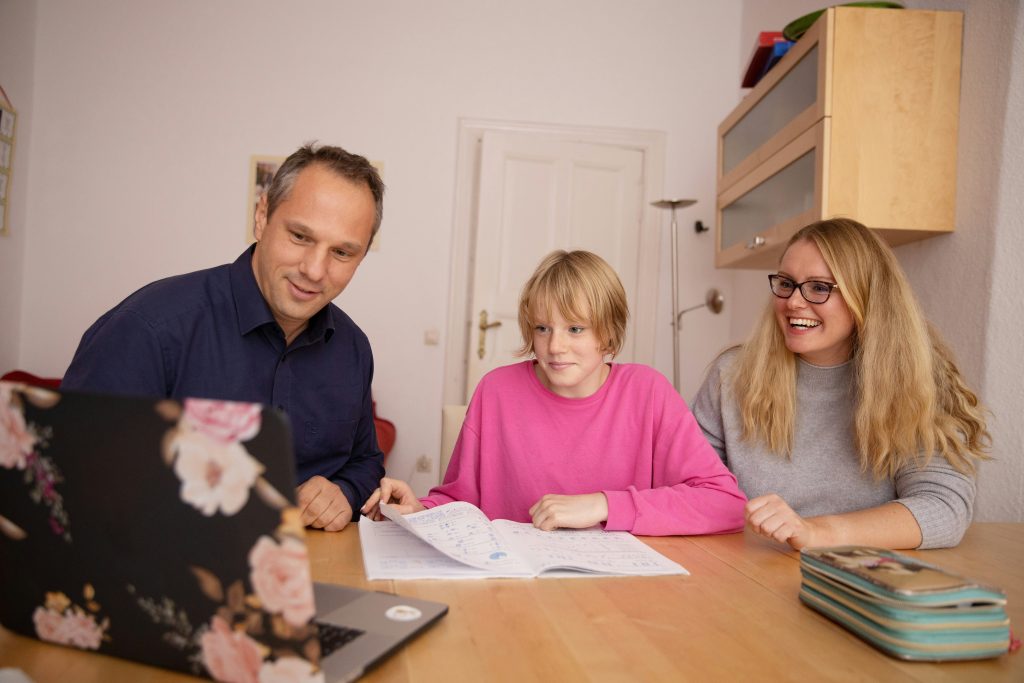
Navigating the ups and downs of a relationship can be tough, and sometimes, a little guidance can go a long way. That’s where a relationship coach for couples comes in. Think of them as a skilled facilitator, helping you both understand each other better, communicate more effectively, and ultimately, build a stronger, more fulfilling connection. It’s not about fixing broken people, but rather about equipping two people with the tools and insights they need to navigate challenges and thrive together.
Many couples wonder if coaching is right for them. It’s a valid question, and the answer often lies in whether you’re both ready to actively invest in your relationship’s well-being. It’s not just for couples on the brink of breakdown; it’s also incredibly valuable for those looking to strengthen an already good relationship.
Proactive Relationship Growth
Don’t wait for problems to become crises. Coaching can be a fantastic preventative measure, helping you identify potential issues before they escalate. It’s like regular maintenance for your relationship.
- Learning Communication Skills: Often, the biggest hurdle in a relationship isn’t a lack of love, but a lack of effective communication. Coaches teach active listening, expressing needs clearly, and de-escalating arguments.
- Understanding Love Languages: Discovering how you and your partner give and receive love can be a game-changer. It helps clarify expectations and ensures your efforts are truly landing where they’re intended.
- Setting Relationship Goals: Just like in business, setting shared goals for your relationship can create a sense of purpose and direction, strengthening your bond.
Navigating Specific Challenges
Life throws curveballs, and sometimes those curveballs land right in the middle of your relationship. A coach can provide a neutral, objective perspective to help you both work through difficult situations.
- Conflict Resolution: Every couple argues, but how you argue makes all the difference. A coach can teach healthy conflict resolution strategies, moving you from destructive patterns to constructive problem-solving.
- Life Transitions: Major life events – marriage, having children, career changes, moving, retirement – can put immense strain on a relationship. A coach can help you navigate these shifts as a team.
- Intimacy Issues: Physical and emotional intimacy are crucial, and sometimes problems arise. A coach can create a safe space to discuss these sensitive topics and explore solutions.
Rebuilding Trust and Connection
Trust can be fragile, and a breach can leave deep wounds. While challenging, rebuilding trust is possible with dedicated effort from both partners and often, professional guidance.
- After Infidelity: This is one of the most difficult challenges a couple can face. A coach can facilitate open, honest conversations, help the injured party process their pain, and guide the offending party in making genuine amends.
- Broken Promises: Even smaller breaches of trust, like consistently breaking promises or not following through, can erode the foundation of a relationship over time. A coach helps identify these patterns and establish a path towards reliability.
If you’re looking to strengthen your bond with your partner, you might find valuable insights in this article on relationship coaching for couples. It offers practical tips and techniques to enhance communication and intimacy, making it a great resource for those seeking to deepen their connection. For more information, you can read the full article here: Relationship Coaching for Couples.
What Does a Relationship Coach Actually Do?
It’s not therapy, although there can be overlaps. A relationship coach primarily focuses on the “what now” and “how to,” rather than deep dives into past traumas. They act as a guide, providing tools, strategies, and a safe space for dialogue.
Facilitating Honest Conversation
One of the primary roles of a coach is to create an environment where both partners feel safe and heard enough to truly open up.
- Neutral Third Party: A coach doesn’t take sides. They are there to support the relationship, ensuring both partners’ perspectives are acknowledged and understood. This neutrality is key, especially when emotions run high.
- Structured Dialogue: Left to their own devices, many couples fall into unproductive arguments. A coach introduces structure, encouraging active listening, clarifying statements, and focusing on solutions rather than blame.
Providing Tools and Strategies
Coaching is very practical. It’s about giving you actionable steps and techniques you can implement in your daily interactions.
- Communication Exercises: These aren’t just theoretical; coaches often lead couples through exercises designed to improve listening, express needs, and resolve disagreements in real-time.
- Emotional Regulation Techniques: Learning to manage intense emotions during conflict is crucial. Coaches can introduce techniques to help partners stay calm and centered, preventing arguments from spiraling.
- Homework and Practice: Just like learning a new skill, relationship improvement requires practice. Coaches often assign “homework” – specific actions or conversations to have between sessions – to reinforce new habits.
Identifying Destructive Patterns
Often, couples get stuck in cycles of behavior that they can’t see or understand on their own. A coach has an external perspective to spot these patterns.
- Uncovering Root Causes: Arguments about chores might actually be about feeling unappreciated or overwhelmed. A coach helps peel back the layers to identify the underlying issues at play.
- Breaking Negative Cycles: Once a destructive pattern (like the “demand-withdraw” cycle) is identified, the coach can guide the couple in consciously choosing different, more constructive responses.
Choosing the Right Relationship Coach

This isn’t a decision to take lightly. The right coach can make a profound difference, while a poor fit can be a waste of time and money. Do your homework.
Qualifications and Experience
While “relationship coach” isn’t as strictly regulated as a licensed therapist, background still matters quite a bit. Look for coaches who have invested in their own education and development.
- Training and Certifications: Inquire about their specific coaching certifications. Are they affiliated with reputable coaching organizations (e.g., ICF – International Coaching Federation, or specialized relationship coaching programs)? This demonstrates commitment to ethical practices and ongoing training.
- Areas of Specialization: Some coaches specialize in specific areas like pre-marital counseling, navigating blended families, or addressing chronic illness in relationships. If you have a particular challenge, look for someone with relevant expertise.
- Experience Level: While newer coaches can be excellent, those with more experience have likely guided a wider range of couples through various situations.
Coaching Style and Philosophy
Every coach has a unique approach. It’s important to find someone whose style resonates with both you and your partner.
- Directive vs. Non-Directive: Some coaches are more direct, offering specific advice and strategies. Others are more facilitative, guiding you to discover your own solutions. Consider which approach would be more beneficial for your dynamic.
- Approach to Conflict: How does the coach view conflict? Is it something to be avoided, or an opportunity for growth? A healthy approach views conflict as an inevitable part of intimacy that can be navigated constructively.
- Emphasis on Individual vs. Couple: While coaching is for the couple, a good coach understands that individual well-being contributes to relationship health. They should balance focus on individual needs within the context of the relationship.
Logistics and Practicalities
Once you’ve narrowed down your choices, consider the practical aspects of working with a coach.
- Cost and Session Length: Coaching fees vary widely. Be sure to understand the cost per session, package deals, and session duration upfront. Discuss if there’s a sliding scale if finances are a concern.
- Availability and Format: Do they offer evening or weekend appointments? Is coaching conducted in-person, online, or a mix of both? Choose what works best for your schedule and comfort levels.
- Initial Consultation: Most coaches offer a free introductory call. USE IT. This is your chance to ask questions, get a feel for their personality, and see if there’s a good connection before committing. Remember, it’s a two-way street; you are interviewing them as much as they are assessing your needs.
Preparing for Your Coaching Journey

To get the most out of your sessions, both partners need to be engaged and open to the process. Coaching isn’t a magic wand; it requires effort.
Shared Commitment
This is arguably the most crucial element. If only one person is invested, progress will be limited.
- Mutual Willingness: Both partners need to genuinely want to work on the relationship and be open to personal growth and change. Forced participation rarely yields positive results.
- Open-Mindedness: Be willing to consider new perspectives, challenge your own assumptions, and try new ways of communicating and interacting.
- Patience: Relationship shifts don’t happen overnight. It’s a process, and there will be ups and downs. Celebrate small victories and remain patient with yourselves and each other.
Individual Reflection
Before diving into sessions, taking some time for personal reflection can be incredibly helpful.
- Identify Your Goals: What do you hope to gain from coaching? What specific areas of the relationship do you want to improve?
- Acknowledge Your Role: It takes two to tango, and two to contribute to relationship dynamics. Honestly consider your own contributions to patterns, both positive and negative.
- Prepare for Openness: Coaching requires vulnerability. Be ready to share your feelings, needs, and concerns openly and honestly, even when it feels uncomfortable.
Being Active During Sessions
Coaching isn’t a passive experience where you sit back and expect the coach to fix everything. Your active participation is vital.
- Ask Questions: Don’t hesitate to ask for clarification, challenge an idea, or express confusion. Engaged clients get more out of coaching.
- Be Honest: Holding back information or sugarcoating situations will only hinder progress. The coach can only help when they have the full picture.
- Practice Outside Sessions: The real work happens between sessions when you apply the tools and insights learned. Make a conscious effort to integrate new behaviors into your daily life.
If you’re looking to strengthen your bond with your partner, exploring the insights of a relationship coach can be incredibly beneficial. Many couples find that professional guidance helps them navigate challenges and enhance their connection. For more information on how a relationship coach can support your journey, you can check out this insightful article on commitment and connection. It provides valuable tips and strategies for couples seeking to deepen their relationship. To learn more, visit this resource.
When to Consider Shifting to Therapy
| Metrics | Results |
|---|---|
| Number of Couples Coached | 50 |
| Success Rate | 80% |
| Average Session Duration | 60 minutes |
| Client Satisfaction Rate | 90% |
While relationship coaching is incredibly effective for growth and skill-building, there are situations where a licensed mental health professional (like a couples therapist or family counselor) is a more appropriate fit. It’s important to understand the distinction.
Underlying Mental Health Concerns
If one or both partners are dealing with significant individual mental health challenges, therapy is often the primary route.
- Depression, Anxiety, Trauma: Unresolved individual issues can significantly impact a relationship. A therapist can provide individual support and intervention that a coach is not equipped to offer.
- Substance Abuse: Active addiction requires specialized treatment that goes beyond the scope of relationship coaching.
- Serious Trauma: If past trauma is profoundly affecting the relationship, a trauma-informed therapist is essential for healing.
Deep-Rooted Psychological Issues
Sometimes, relationship problems stem from deeper psychological patterns that require professional diagnosis and therapeutic intervention.
- Personality Disorders: These complex conditions often require a therapeutic approach from a licensed professional.
- Severe Conflict Cycles: If conflict has become extremely destructive, emotionally abusive, or involves any form of physical abuse, safety is paramount, and a therapist or specialized domestic violence support is necessary.
- Past Family-of-Origin Issues: While coaching touches upon how past experiences influence present dynamics, deep therapeutic work on family-of-origin patterns is typically the domain of therapy.
Unwillingness to Engage or Unsafe Dynamics
If one partner is completely unwilling to participate or if the relationship dynamic is harmful, coaching may not be suitable or safe.
- One Partner Refuses to Participate: Coaching requires both partners’ agreement and participation. If one partner is resistant, individual coaching might be an option, but couples coaching won’t be effective.
- Abusive Relationships: If there is any form of abuse (physical, emotional, psychological) in the relationship, then safety planning and therapeutic intervention for the abused partner, and potentially for the abusive partner (if they are willing to seek help), is critical. Coaching is not appropriate in these situations.
Ultimately, a good relationship coach will recognize their limits and recommend therapy if they believe it’s a more suitable path for your specific situation. Don’t be afraid to ask about their experience in distinguishing between coaching and therapy.
By investing in a relationship coach, you’re investing in the health and longevity of your partnership. It’s a proactive, empowering step towards a more connected, understanding, and joyful life together.